

XRP-Xtreme Racing Products XRP231808 No.8 AN 180 deg Push-On Hose End

Billet Specialties Hose Separator .906 X .906 Black

WEN 4-Inch T-Fitting Dust Hose Splitter Connection for Dust Collection Systems

BILLET SPECIALTIES BLK68420 Hose Separator .734 X .890 Black

WEN 2.5-Inch Flexible Dust Cuff Hose Connector for Dust Collection Systems

BILLET SPECIALTIES BLK68725 Hose Separator .906 X 1.015 Black

WEN 4-Inch Flexible Dust Cuff Hose Connector for Dust Collection Systems
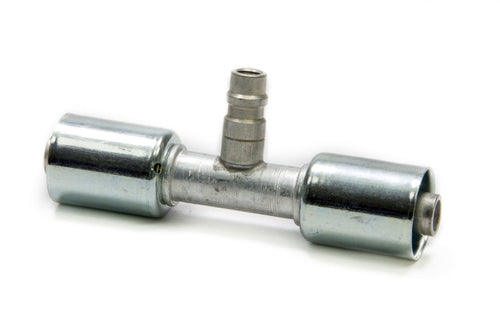
Vintage Air VIN35827-VUG AC Refrigerant Straight 10 AN Hose Crimp to 10 AN Hose Crimp Hose End Fitting

BILLET SPECIALTIES BLK68320 Hose Separator .625 X .625 Black
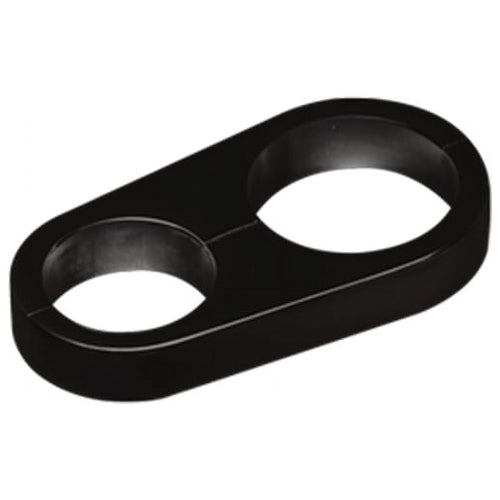
BILLET SPECIALTIES BLK68225 Hose Separator .562 X .625 Black

BigMouth Inc. Tennis Lover Sprinkler with Garden Hose Connector for Backyard Play, Yellow 28-Inch

Vintage Air Hose End Fitting - Straight 0.62 in. Hose Crimp to 10 AN Female O-Ring Aluminum & Steel - Cadmium & Natural

VALTERRA LLC A010019VP 45 Degree Connector Fresh Water Hose End Protector

Valterra A01-0055VP Female End Hose Fixer

Unique Bargains 2Pcs Brass Barb Hose Fitting Tee T Shape Pipe Connector 3/8" x 3/8" x 1/4"

Phoenix PF247015 D&W Spray Away Quick Connect 1/2" Shower Hose Adapter - Brass

Auto Drive Plastic Car Wash Water Hose Nozzle 8 Pattern Spray, Heavy Duty Durable Material

Pistol Grip Adjustable Water Hose Nozzle 9100

Auto Drive Car Wash Water Hose 8 Pattern Nozzle

Tru-Flate Brass Hose Splicer 5 in. ID 1 pc.

Gates Male Pipe with Cone Seat (LOC & LOL Hose)

AsterOutdoor Garden Hose 25ft 5/8 Inch Heavy Duty 4-Layer Rubber 600 PSI Burst for Gardening Cleaning

Andrews 10-12349 100' Tube Sprinkler & Soaker Hose
Diameter Decides Flow
Three diameters cover the range. Half-inch is light and flows least. 5/8 inch is the standard that reels, nozzles and fittings are designed around. Three-quarter-inch flows most and is heavy enough to be a nuisance.
Buy 5/8 unless you know why not.
The exception is a long run to a distant tap, where the larger diameter recovers some of the pressure the length costs.
Length and Pressure
Pressure drops along a hose, and a 100-foot run delivers noticeably less at the nozzle than a 50-foot run of the same diameter. Sprinklers rated by coverage assume short hose and full pressure.
Buy the shortest hose that reaches the furthest point you water.
Adding a second length when you need it costs less than dragging 100 feet around a small garden every time.
Construction and Kinking
Reinforced multi-layer hose resists kinking and costs more. Cheap single-layer hose kinks at the first bend and takes a permanent set where it was folded.
A hose kinks where it was last coiled, which makes storage as important as construction.
The reels and hangers in hose reels and storage are what decide how long a good hose stays good.
Expandable and Commercial Grades
Expandable hoses contract to a fraction of their length and are light to carry. They fail at the cuff where the inner tube meets the fitting, and they cannot be repaired there.
Commercial grades from Teknor Apex and the contractor lines are heavy, hold up to being driven over, and are sold in 75 and 100 foot lengths. The wider watering range sits in watering and irrigation.
Hose Diameters Compared
Flow and weight move together, which is why the middle diameter became the standard.
| Diameter | Flow | Weight | Suits |
|---|---|---|---|
| 1/2 in | Least | Light | Short runs, containers |
| 5/8 in | Standard | Moderate | Almost everything |
| 3/4 in | Most | Heavy | Long runs to a distant tap |
| Expandable | Varies with pressure | Lightest | Small gardens |
Garden Hose Questions
What diameter hose should I buy?
5/8 inch. Reels, nozzles and fittings are built around it. Three-quarter-inch flows more and is heavy enough that most households regret it.
Does length reduce pressure?
Yes. A 100-foot run delivers noticeably less at the nozzle than a 50-foot run at the same diameter.
Are expandable hoses any good?
They are light and store small, and they fail at the cuff where the inner tube meets the fitting, which cannot be repaired.
Why does my hose kink in the same place?
It takes a permanent set where it was last coiled. Storage matters as much as construction for how long a hose lasts.